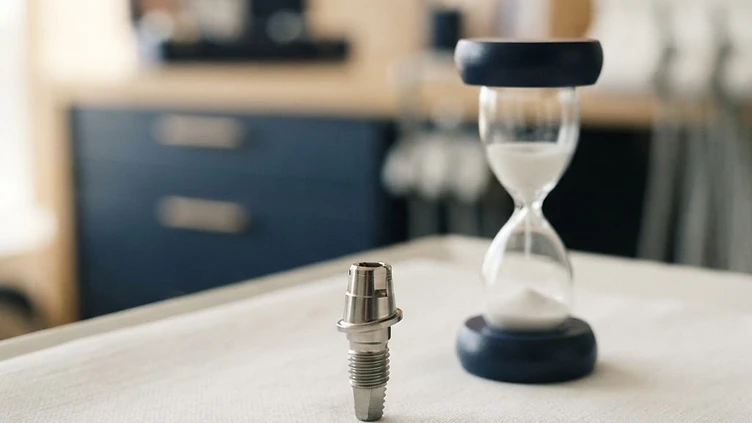
Implants can last a lifetime — but only with the right care. Here's what affects their longevity.
A Investment Built to Last
Dental implants are one of the most durable tooth replacement options available. With proper care and maintenance, implants routinely last 15 to 25 years or more — and many last a lifetime. Their longevity is largely down to osseointegration, the process by which the titanium post fuses permanently with the jawbone, creating a stable, natural-feeling foundation.
What Affects Longevity?
Several factors influence how long your implants will last:
- •Oral hygiene: Consistent brushing, flossing, and professional cleaning keep the gum and bone around the implant healthy
- •Bone health: Adequate bone density and ongoing stimulation of the jawbone preserve the implant's foundation
- •Lifestyle: Smoking and uncontrolled diabetes can slow healing and increase the risk of implant failure
- •Bite and grinding: Excessive forces from clenching or grinding can be managed with a night guard
- •Quality of the restoration: Precision-fitted crowns and bridges distribute forces evenly
A Tailored Care Plan
Every patient receives a tailored care plan at the end of their treatment. This plan is designed specifically for you and includes:
- •Detailed home-care instructions for cleaning around your implants
- •A schedule of follow-up appointments to monitor healing and integration
- •Regular reviews — typically every 6 to 12 months — to assess the implant, surrounding gums, and bone levels
- •Professional cleaning of the implant surfaces where needed
- •Ongoing guidance on how to protect your investment for decades to come
The Verdict
Dental implants are designed for permanence. With the right care, regular reviews, and a personalised care plan, they remain the most reliable, long-lasting solution for missing teeth — restoring both function and confidence for the long term.
Book a consultation to discuss your options and longevity.

